
Installation cost
Complex cable runs mean more labour, more time, and more of the building opened up while it happens.

Elevators, escalators and electrical equipment — installed, serviced and maintained by a team with 18+ years on site.
Traditional wired lift systems are expensive to install, awkward to troubleshoot when a cable fault is hidden in a wall, and difficult to expand. Wireless changes that — which matters most in older and heritage buildings where rewiring would be disruptive or simply not permitted.
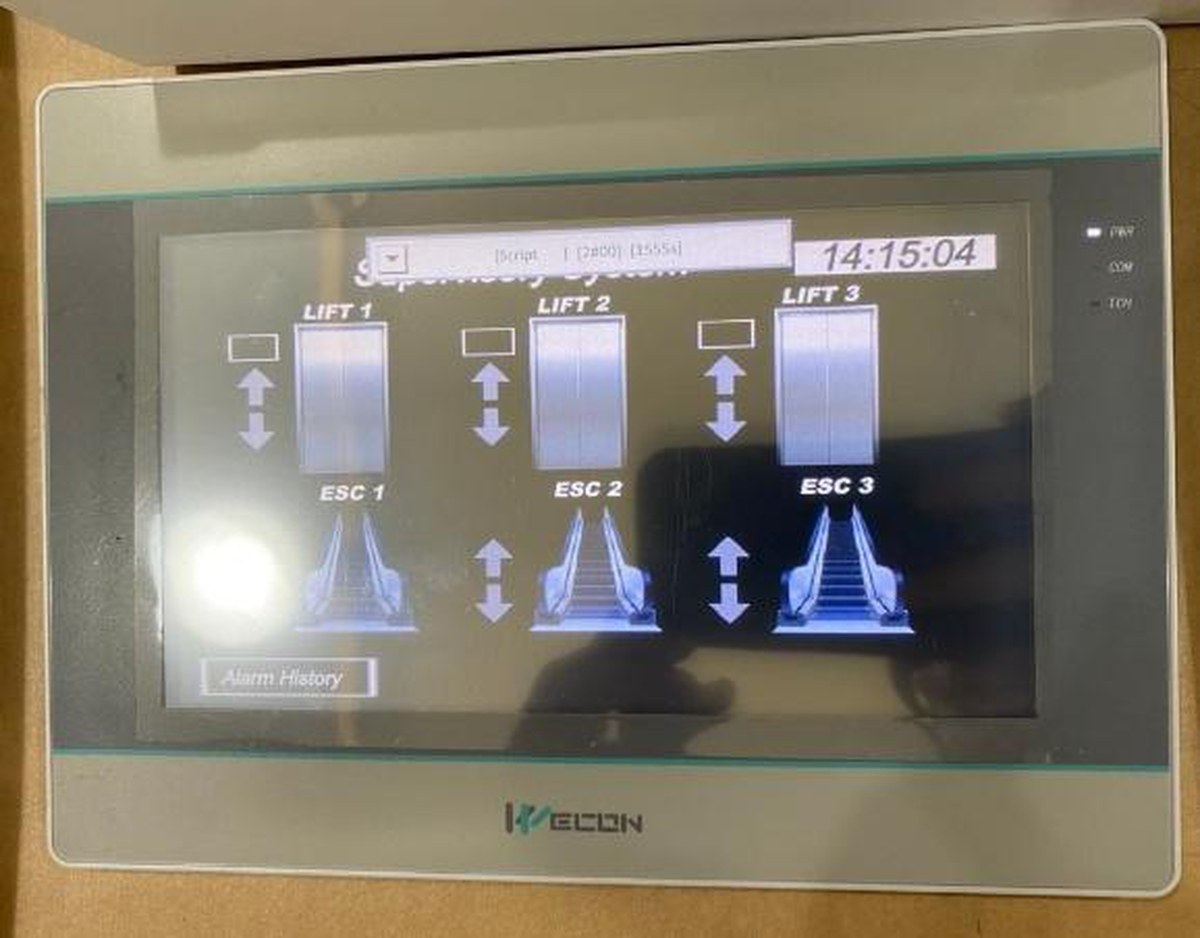
Real-time status tracking for every lift on site. Communication is IP-based, so it does not depend on the lift manufacturer’s protocol — which means one system can cover equipment from different suppliers.
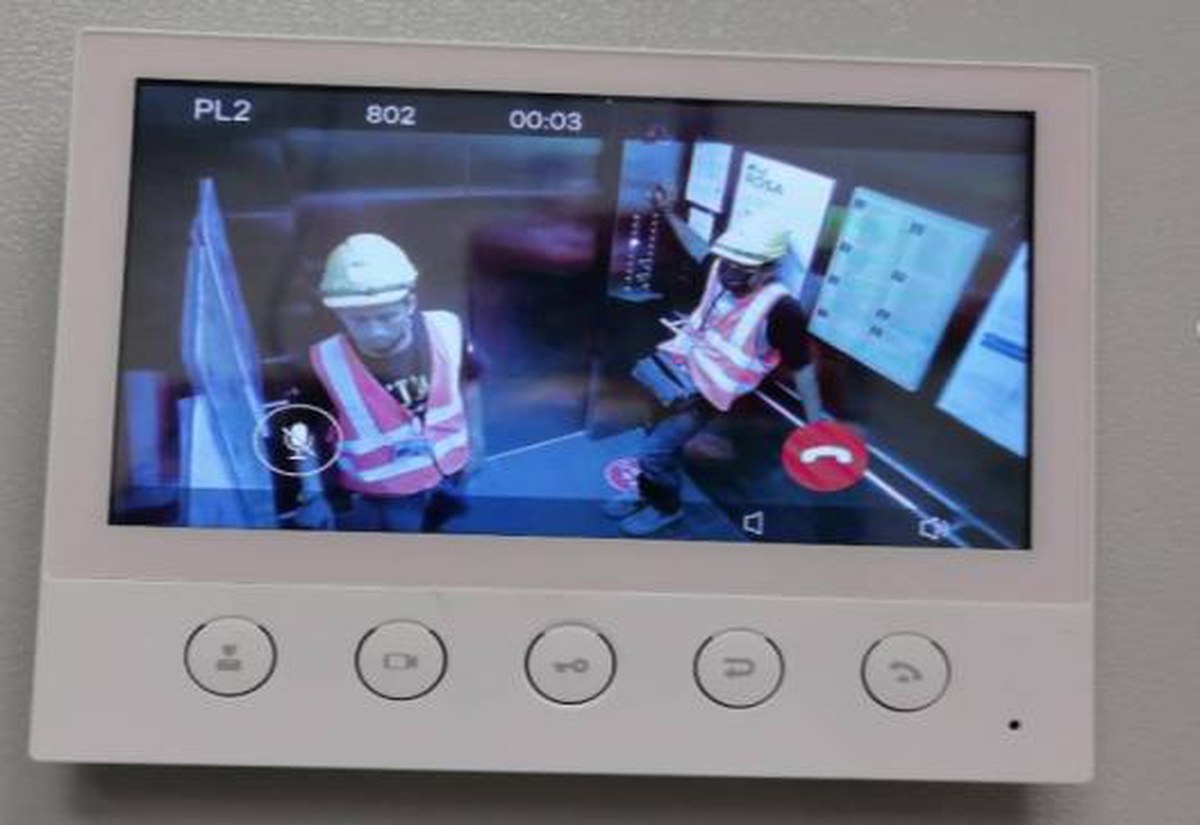
Real-time voice and data between the car and the control room over a secure wireless protocol. The speaker inside the car is camera-equipped, so whoever answers can see the situation as well as hear it.
Complex cable runs mean more labour, more time, and more of the building opened up while it happens.
A cable fault inside a wall is a search before it is a repair. Troubleshooting is the expensive part.
Adding a lift or a sensor means new cabling. Scaling a wired system costs close to installing it again.
Lifts out of service during installation and repair — in an occupied building that is the real cost.
Surface conduit on a finished interior. In heritage buildings, often not permitted at all.
Long underground and overhead runs carry strike risk straight into the equipment they connect.
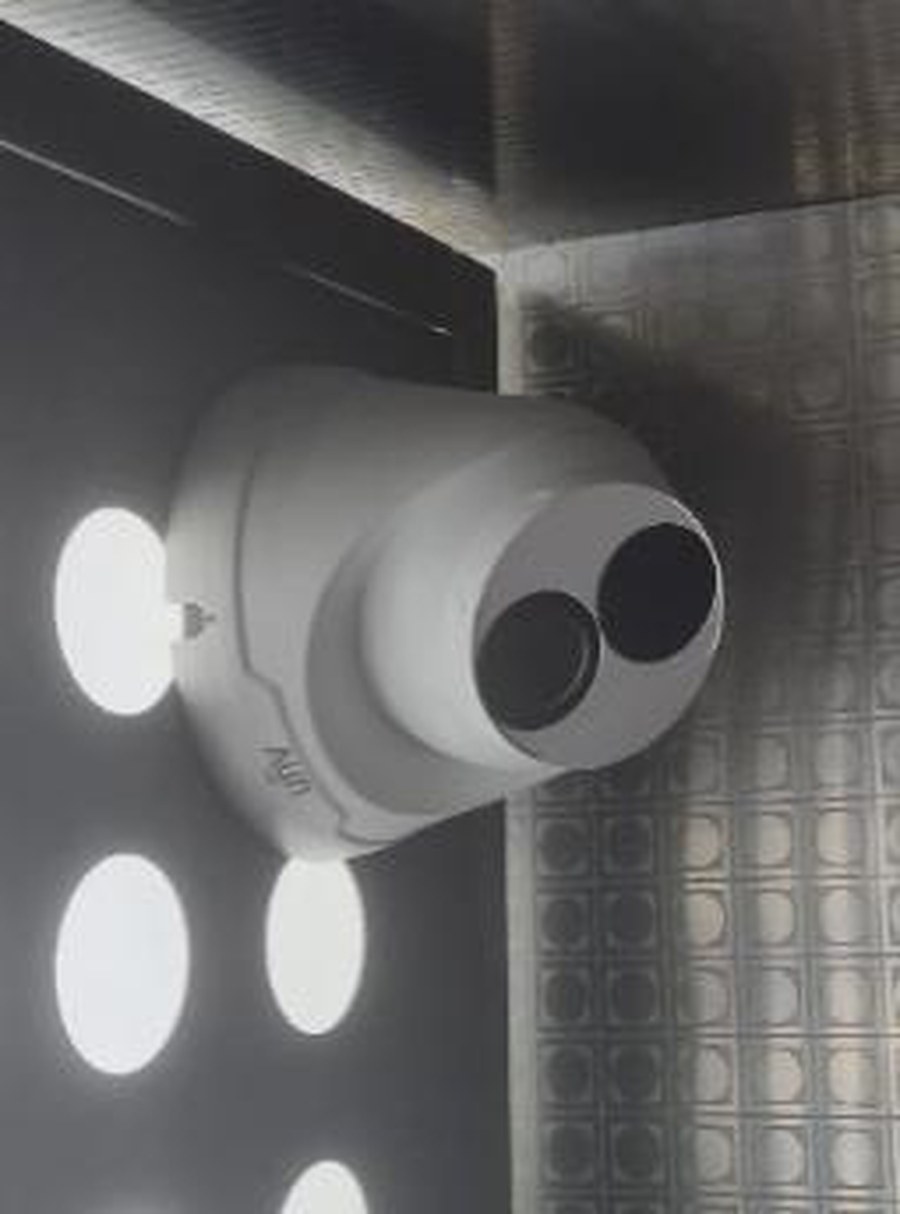
Not renders. These are the units running in Malaysian buildings today — the touchscreen at the control room, the camera speaker in the car, and the supervisory panel that watches the whole group.
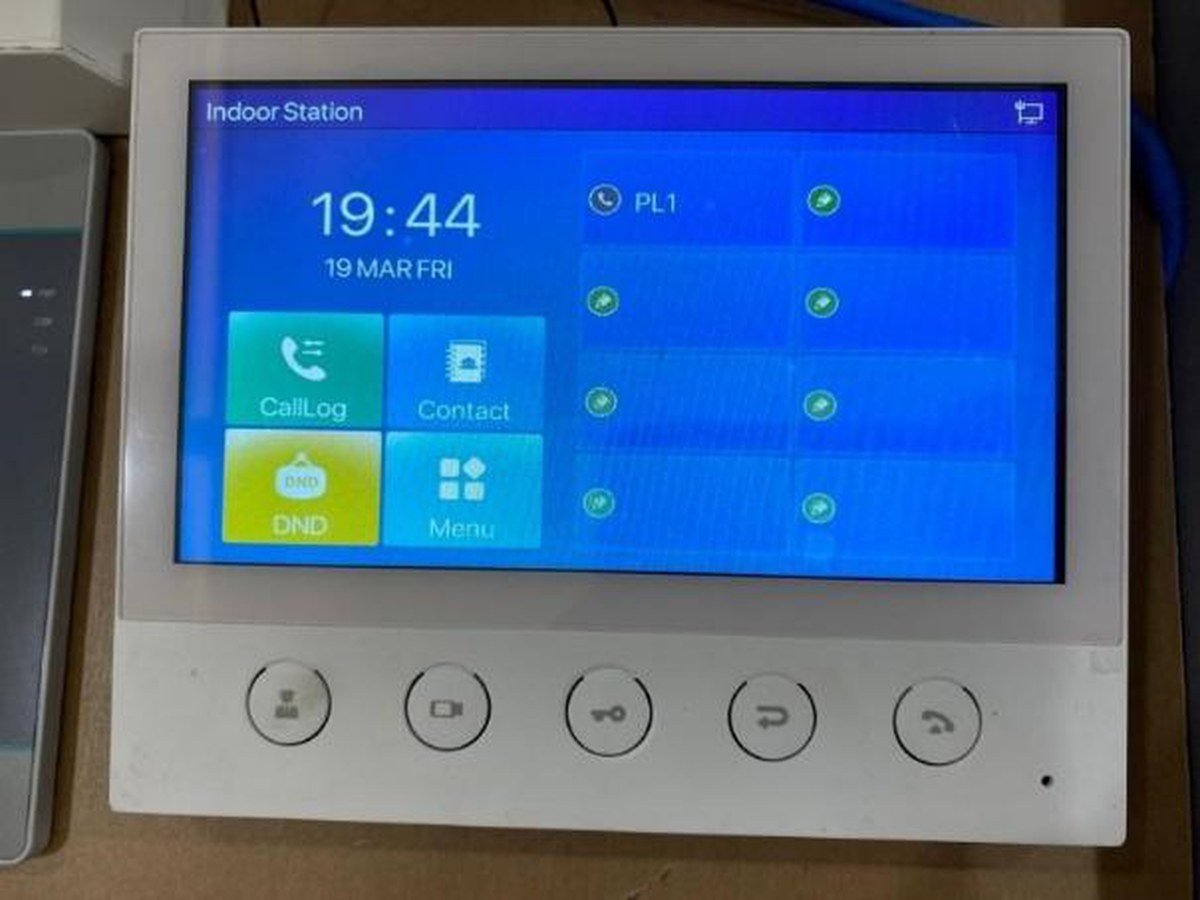
Wired systems cost more to put in, hide their faults inside walls, and resist expansion. These are the figures Attollo publishes against that baseline.
Including a Kuala Lumpur hospital — a safety-critical environment where an intercom that fails is not an inconvenience.
| Site | Lifts | Scope |
|---|---|---|
| Hospital, Kuala Lumpur | 11 lifts | Wireless intercom and supervisory, dual 7″ panels |
| Commercial building, Sabah | 26 lifts | Intercom and lift supervisory — 10.1″ master touchscreen, 15″ LCD supervisory panel |
| Western Digital, Kuching | 3 lifts | Wireless intercom, 7″ master intercom touchscreen panel |
Deployment details from Attollo project documentation. See our wider project list.
Yes — that is the main reason to choose it. Attollo systems are plug-and-play with no new cable runs, no opened walls and no structural changes, which makes them viable in older and heritage buildings where rewiring is disruptive or not permitted.
Attollo publishes a 40% lower installation cost against an equivalent wired system. The saving comes from labour and time, not hardware — wired installation means cable runs through occupied floors.
It runs on an encrypted protocol with 99.9% published uptime, and it is already installed in an 11-lift Kuala Lumpur hospital — a safety-critical environment. The car speaker is camera-equipped, so whoever answers can see the situation as well as hear it.
Yes. Communication is IP-based and does not depend on the lift manufacturer's protocol, so one system can cover equipment from different suppliers in the same building.
Yes. Sensors and units can be added in minutes, and the system extends to CCTV surveillance and public address without re-cabling.
Tell us how many lifts, how old the building is, and whether rewiring is even permitted. We will tell you what a wireless retrofit would involve.